When you hand someone a beautifully wrapped sweet hamper, you’re not just delivering confectionery—you’re delivering trust. Yet, without a transparent expiration date, that trust can crumble faster than a cookie left out in the rain. This article explores why it’s essential to address the need for clear expiration dates on sweet hamper items, the regulations that back it up, and practical steps producers and buyers can take to keep every bite safe and satisfying.
Why Expiration Dates Matter
Protecting Consumer Health
Food‑borne illnesses are no laughing matter, even when the culprit is a seemingly innocent box of chocolates. An expired caramel may develop harmful bacteria, and a stale biscuit can trigger allergic reactions. Clear dates act as a safety net, ensuring that the sweet treats we enjoy are still within their optimal freshness window.
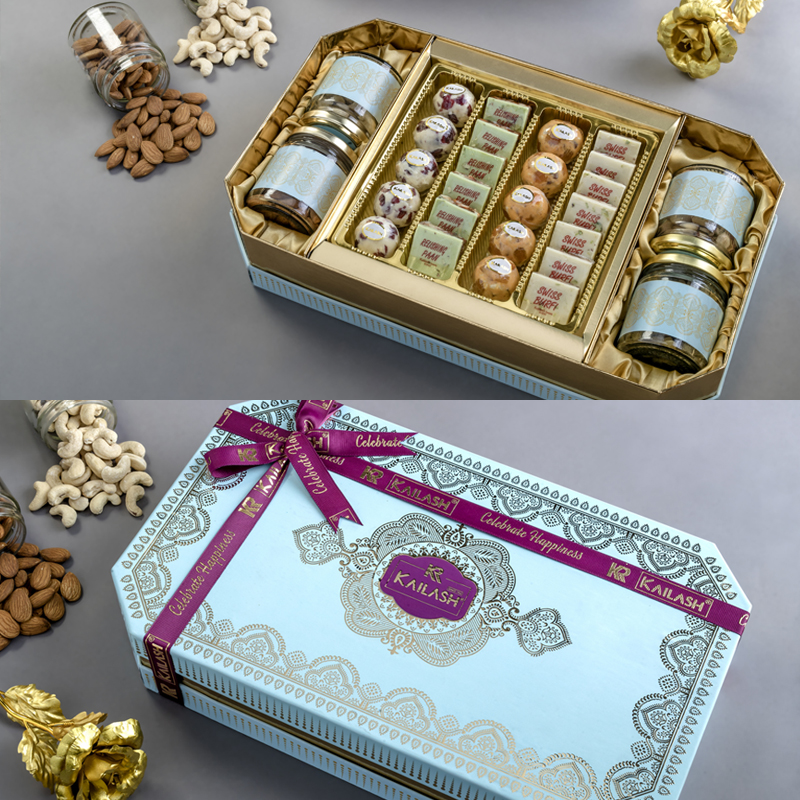

Building Brand Credibility
Consumers today are savvy; they read labels like detectives on a mystery novel. A hamper that proudly displays “Best‑by” or “Use‑by” dates signals that the brand respects its customers enough to be transparent. As the old saying goes, “the proof is in the pudding”—or, in this case, the date on the pudding.
Reducing Waste
When shoppers can’t tell if a product is still good, they often toss it out “just in case.” Accurate expiration information helps households make informed decisions, cutting down on unnecessary waste and saving money—an outcome that benefits both the planet and the bottom line.
The Regulatory Landscape
International Standards
Most countries follow the Codex Alimentarius guidelines, which recommend clear labeling of shelf‑life for all packaged foods, including confectionery. The guidelines distinguish between “Best‑before” (quality) and “Use‑by” (safety) dates, each serving a different purpose.
Local Laws
In the United States, the Food and Drug Administration (FDA) requires that “if a food is potentially hazardous, a use‑by date must be provided.” In the European Union, Regulation (EU) No 1169/2011 mandates that all pre‑packed foods display a “date of minimum durability.” Failure to comply can result in fines, product recalls, and a tarnished reputation.
> “Clear labeling isn’t just a legal checkbox; it’s a promise to the consumer that we care about their wellbeing.” – Dr. Maya Patel, Food Safety Specialist
Enforcement and Penalties
Regulators conduct random spot checks on retail shelves. A missed expiration label can lead to a product being pulled from shelves, and the resulting negative publicity can spread faster than a rumor at a family reunion.
Consumer Trust and Safety
The Psychology of Dates
When shoppers see a well‑marked date, they experience a sense of control. It’s akin to having a map in a Continue reading foreign city; you know where you’re going and can avoid pitfalls. Conversely, vague or missing dates create uncertainty, prompting customers to ask, “Is this still safe to eat?”
Rhetorical Check
- What would you do if you received a hamper with no date on the chocolate? Would you risk a sweet treat for the sake of convenience?
Most people would opt for caution, which means missed sales for the producer.
Anecdote: The Mystery Hamper
Last holiday season, my colleague Sarah received a festive hamper filled with assorted truffles. Excited, she reached for a dark chocolate piece—only to discover the wrapper bore no expiration date. After a brief panic, she called the supplier, who admitted the label had been omitted during a hurried packaging run. The incident not only ruined Sarah’s dessert plans but also sparked a company‑wide review of labeling procedures. The lesson? Even a single oversight can turn a sweet gesture into a sour experience.
Best Practices for Hamper Producers
- Standardize labeling templates – Use a consistent design that includes both “Best‑before” and “Use‑by” fields. Integrate barcode scanners – Automate date verification at each stage of production. Train staff on compliance – Ensure everyone understands the legal definitions of each date type. Perform regular audits – Spot‑check random hampers for correct labeling before shipping.
Implementing a Quality Checklist
By following a checklist, companies can keep the process as smooth as buttercream frosting.
Choosing the Right Hamper for Your Event
When you’re the buyer, a little homework goes a long way. Look for these tell‑tale signs that a vendor has addressed the need for clear expiration dates on sweet hamper items:
- Visible date stamps on each individual item or on the outer box. Transparent supplier policies posted on the website. Customer reviews that mention freshness and labeling.
Quick Evaluation List
- Does the hamper include a date on every perishable item? Are the dates easy to read (large font, contrasting color)? Is there a clear distinction between “best‑before” and “use‑by”?
If the answer is “yes” to most, you’re likely dealing with a conscientious supplier.
Making Your Selection Count
A well‑labeled sweet hamper does more than prevent a stomach ache; it reinforces the message that the giver respects the recipient’s health and time. By insisting on clear expiration dates, you help set industry standards that benefit everyone—from the chocolatier in the kitchen to the grandparent at the birthday party.
So next time you’re perusing the aisles or Monthly chocolate box scrolling through an online catalog, remember to ask: “Can you show me the expiration date?” It’s a simple question that can keep the celebration sweet and the conscience clear.
Ready to enjoy worry‑free treats? Start by partnering with vendors who proudly display their dates, and you’ll find that peace of mind is the best garnish of all.
---
*If you found this guide helpful, share it with a colleague who loves gifting hampers—or better yet, ask your favorite confectioner how they keep their dates as fresh as their recipes!*